



A complete guide to car unlocking steps and helpful tips for safe operation
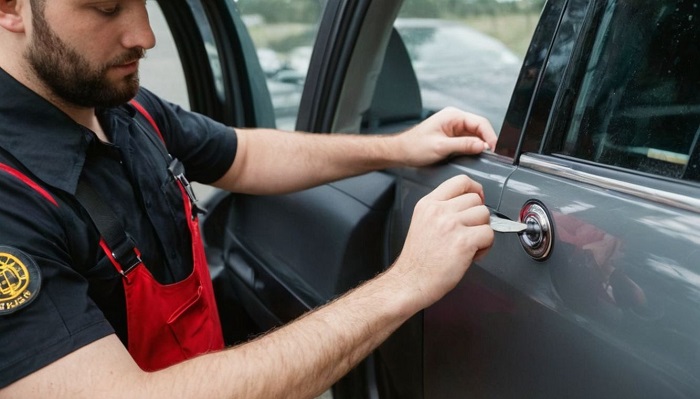
When opening a car, a clear sequence of steps is essential to ensure the job is completed safely and without damage. Key steps include identifying the type of lock, preparing the necessary tools, and carefully entering the door or hood. When performing these steps, it’s often extremely helpful to consult a professional, such as an experienced locksmith Waterloo, who has the necessary skills and knowledge to complete the job quickly and professionally.
To successfully complete the procedure and avoid mistakes, it’s recommended to follow certain tips: use the right tools, avoid excessive force, and remain calm during the process. The next time you need to open a car, knowing these steps and preparing will help you solve the problem as efficiently and without damage as possible.
Efficient Car Opening: A Step-by-Step Guide
When opening a car, it’s important to perform all steps carefully and precisely to avoid damage and speed up the process. Properly following the sequential steps minimizes the risk of damage and ensures quick access to internal components.
Each step should include preparation, tool selection, and safety precautions. Below is a step-by-step breakdown of the car opening process to help you achieve maximum efficiency with minimal time.
Car Opening Steps
- Preparing Tools and Work Area: Before starting work, gather the necessary tools: professional rods, plastic cards, screwdrivers, and other tools. Choose a well-lit and safe area for comfortable and convenient work.
- Locating the Lock and Studying the Design: Analyze the lock type and its features. This will help determine the most appropriate opening method and avoid unnecessary damage.
- Sequential Lock Opening: Use specialized tools to carefully remove latches or slide the tongues. When gradually working on the lock design, avoid using excessive force.
- Accessing the Lock from the Inside: Sometimes it is necessary to open the doors from the inside to access the locks. In this case, use interior panels for safer opening.
- Inspection and Completion: After opening, ensure the work is carried out carefully, check the functionality of the locks, and repair any damage if necessary.
Car Opening Steps and a Few Tips
Before opening a car, it is important to conduct a thorough inspection of the lock to determine its design and condition. This will help you choose the most appropriate tools and minimize the risk of damage. Inspecting the lock includes a visual inspection, as well as an assessment of its mechanism and degree of wear. A careful examination will help you understand what type of lock is installed and which opening methods will be most effective.
For diagnostics, it is recommended to use specialized tools, such as electromagnetic or ultrasonic scanners, as well as simple hand tools. It’s important to properly prepare your tools before starting work to ensure safety and precision. When selecting tools, consider the lock type, design features, and the expected difficulty level of the lock being opened. Preparing for the job involves selecting the right tools, checking them, and adjusting them to ensure the job is completed as accurately and without damage as possible.
Lock Diagnostics and Tool Selection: Preparing for Opening
Lock diagnostics begins with an analysis of its design and condition. It’s important to determine the type of lock—cylinder, lever, or electronic—and identify any defects or damage. This will help you choose the optimal tool and technique for the job. An important step is checking for additional elements, such as ignition switches or emergency mechanisms, that could complicate the task.
The selection of tools is based on the diagnostic results. Master keys, picks, and electric actuators are typically used for cylinder locks, while specialized hydraulic or pneumatic tools are used for more complex locks. Before starting work, ensure all tools are in good working order and ready for use. It is also recommended to stock up on additional tools, such as precision screwdrivers, thin slices, and lubricants, to increase the effectiveness of opening and maintain the integrity of the lock and the vehicle.
Hello!! My name is Jeanine
I love to eat, travel, and eat some more! I am married to the man of my dreams and have a beautiful little girl whose smiles can brighten anyone’s day!