




Italian furniture quality – a legacy of craftsmanship, design, and durability
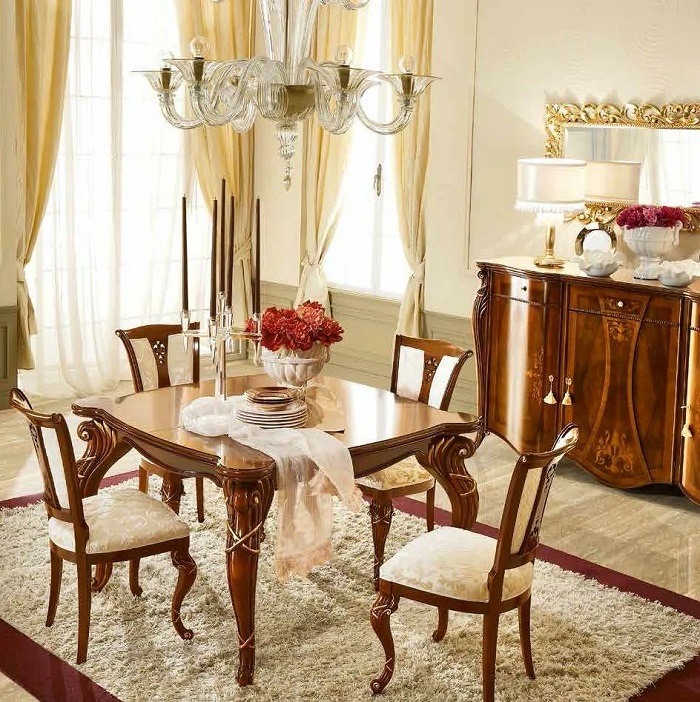
Italian furniture has long been synonymous with exceptional quality, blending centuries‑old artisanal traditions with forward‑thinking design. From the elegant curves of a classic table to the refined finishes of a modern sideboard, Italian pieces reflect a commitment to excellence that remains unrivaled in the global market. This article explores the core elements that define Italian furniture quality, the materials and techniques that set it apart, and what buyers should consider when investing in these timeless pieces.
The Hallmark of Italian Craftsmanship
At the heart of Italian furniture’s reputation is its unmatched craftsmanship. Italian makers, whether large manufacturers or small family ateliers, pride themselves on a deep understanding of materials and meticulous attention to detail. Many of these skills are passed down through generations, with apprenticeships and family traditions ensuring that craftsmanship remains at the core of production.
Unlike mass‑produced furniture that prioritizes speed and cost reduction, Italian artisans often take the time required to perfect every component. Joinery is clean and secure, finishes are even and durable, and functional elements such as drawers and hinges operate with precision. This investment in craft contributes to longevity—an Italian piece is often designed to be admired and used for decades, even generations.
Design Philosophy: From Tradition to Innovation
Italian furniture balances tradition with innovation. While many iconic designs draw inspiration from classical and Renaissance aesthetics, contemporary Italian furniture frequently pushes the boundaries of form and function. Italian tables exemplify this synthesis beautifully. Whether crafted for formal dining or casual gatherings, tables from Italy often feature thoughtful structural integrity combined with imaginative silhouettes. A great starting point to explore this range is the collection of Italian tables, which showcase everything from minimalist modern designs to richly detailed traditional pieces.
Similarly, Italian sideboards offer a compelling mix of utility and style. These pieces are often focal points in dining rooms and living spaces, providing both storage and visual interest. High‑quality sideboards typically display well‑proportioned lines, premium hardware, and finishes that accentuate the natural beauty of the wood or material used. A curated selection of these can be viewed through the Italian sideboards collection, where elegance meets practicality in a range of styles suitable for diverse interiors.
Materials: The Backbone of Quality
Exceptional Italian furniture begins with exceptional materials. Hardwood species like walnut, cherry, oak, and mahogany are common, valued for their strength, grain, and ability to age gracefully. These woods are often kiln‑dried to ensure stability and prevent warping or cracking over time.
Beyond solid wood, Italian manufacturers may incorporate veneering techniques. Veneer allows craftsmen to showcase rare wood grains across larger surfaces without compromising structural stability. When expertly applied, veneer is virtually indistinguishable from solid wood and provides a cost‑efficient way to enjoy luxurious finishes.
For upholstered furniture, the quality of fabric or leather and the underlying support system are equally crucial. Italian leather, in particular, is prized worldwide for its suppleness, durability, and capacity to develop a beautiful patina with age. Fabrics are selected not just for appearance, but also for durability and ease of care. Cushion cores, webbing, and springs are chosen to provide resilient comfort that endures years of use.
Finishes and Surface Treatments
Finishes play an essential role in both the longevity and aesthetics of furniture. Italian furniture makers apply finishes that protect the wood while highlighting its natural characteristics. Traditional lacquer and shellac finishes remain popular for certain styles, offering depth and a rich glow. For more contemporary pieces, water‑based and UV‑cured lacquers are used, providing enhanced resistance to scratches and fading while minimizing environmental impact.
Surface treatments are carefully matched to the design intent. A rustic farmhouse table may feature a distressed finish that feels warm and inviting, whereas a sleek modern dining table might employ a glass or high‑gloss lacquer surface that emphasizes clean lines and reflects light. Regardless of style, quality finishing ensures that the piece remains resilient to daily wear and maintains its beauty for years.
Sustainability and Responsible Production
Today’s discerning buyers increasingly care about sustainability in furniture production. Many Italian manufacturers are embracing responsible sourcing practices, ensuring that woods come from sustainably managed forests and that chemical treatments meet strict environmental standards. Efficient production processes and waste‑minimizing techniques further underscore the industry’s commitment to ethical practices.
For consumers, choosing Italian furniture crafted with sustainability in mind means investing in products that are not only beautiful and durable but also align with broader ecological values. Brands that openly share information about sourcing, certifications, and production practices tend to earn the trust of buyers who prioritize environmental responsibility.
What to Look for When Purchasing Italian Furniture
When investing in Italian furniture, whether a dining table, sideboard, or other significant piece, buyers should pay attention to several key factors:
- Construction techniques: Look for solid joinery such as dovetail or mortise‑and‑tenon joints, which indicate durable construction.
- Material authenticity: Confirm that the materials listed (e.g., solid wood, veneer, leather) match what you’re looking for and understand how they affect longevity and care requirements.
- Finish quality: Check that finishes are even and smooth, without blotches, bubbles, or rough patches.
- Hardware and fittings: Quality hardware (drawer slides, hinges, handles) should feel sturdy, operate smoothly, and complement the overall design.
- Design coherence: A well‑designed piece balances aesthetics and function—forms should feel intentional, and storage or functional elements should enhance usability.
Whether browsing an extensive array of dining tables or selecting the perfect sideboard for a living room or dining space, paying attention to these details ensures you choose pieces that deliver both beauty and performance.
The Investment Value of Italian Furniture
While Italian furniture often carries a higher price tag than mass‑produced alternatives, the long‑term value is hard to overstate. Quality materials and expert craftsmanship mean these pieces typically withstand the test of time, both functionally and stylistically. Many Italian tables and sideboards become heirlooms, passed down through generations as cherished family possessions.
Furthermore, well‑made furniture retains resale value far better than lower‑end counterparts. Should your design tastes evolve or your space needs change, quality pieces remain desirable in resale markets due to their construction and provenance.
Beyond monetary value, there’s also emotional and experiential value. Sitting around a beautifully crafted Italian dining table or opening drawers on a timelessly designed sideboard can bring daily joy and elevate everyday routines. These are not merely objects, but investments in comfort, heritage, and beauty.
Timeless Quality Worth Investing In
Italian furniture quality is built on a foundation of exceptional craftsmanship, superior materials, thoughtful design, and a deep respect for tradition. Whether you are drawn to the sleek lines of contemporary pieces or the elegant details of classic designs, Italian furniture offers enduring value that transcends trends.
Exploring collections such as Italian dining tables and sideboards reveals the diversity and depth of Italian design. These pieces do more than fill a space—they define it. With proper care, they reward owners with years of use and admiration, serving as lasting embodiments of Italy’s storied furniture‑making heritage.
Choosing Italian furniture means embracing a legacy of quality, where every piece tells a story of artistry, function, and timeless appeal.
Hello!! My name is Jeanine
I love to eat, travel, and eat some more! I am married to the man of my dreams and have a beautiful little girl whose smiles can brighten anyone’s day!