




Rules and features for safe vehicle evacuation in case of emergency
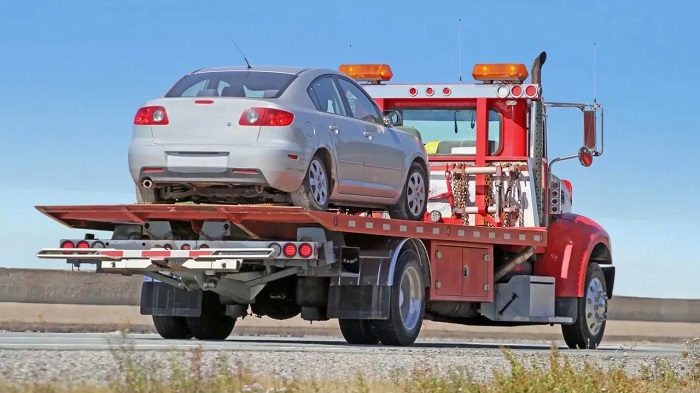
Vehicle towing is an important procedure governed by specific rules and regulations. Towing may be necessary for various reasons: parking violations, technical problems, or the need to clear a roadway. In this context, it is important to understand the specifics of the process to avoid penalties and preserve your license.
To better understand all aspects of the procedure, we recommend read more about vehicle towing here. This will help you become familiar with the steps involved, the documents required to prevent conflicts, and learn about possible ways to challenge an unlawful towing or recover your vehicle. Following the rules and understanding the intricacies of the process will minimize potential inconveniences and risks.
Car Towing Features and Rules: Preparing for the Process
Before starting the vehicle towing procedure, it is important to conduct a preliminary inspection of the vehicle’s condition. This will help prevent possible damage during transportation and speed up the evacuation process. Proper preparation also ensures the safety of both the driver and the towing service personnel. Below are the basic steps to take before calling a tow truck.
What to Check Before Towing
- Vehicle Position – Make sure it is properly parked and does not obstruct the movement of other road users.
- Fuel Type and Condition – During towing, additional fuel may be drained if necessary to reduce the risk of fire or pollution.
- Closing Doors and Trunk – All doors and the trunk must be tightly closed to prevent damage during transport.
- Checking for Important Items – It is recommended to remove valuables and documents from the car to prevent loss or theft.
- Vehicle Inspection – Check for damage, oil or fluid leaks, and the proper functioning of external components such as mirrors and headlights.
Carrying out these A series of events will help make the towing process as safe, quick, and hassle-free as possible.
Steps of calling a tow truck: procedure and tips for communicating with the dispatcher
When a vehicle needs to be towed, it’s important to know the steps and communicate correctly with the towing service dispatcher. This will help avoid misunderstandings and expedite the process of delivering the vehicle to its destination.
Learning how to communicate with the operator and preparing the necessary information will ensure the timeliness and effectiveness of the towing service. Below are the basic steps and recommendations for interacting with the dispatcher.
Procedure for calling a tow truck
- Ensuring safety: Before calling, make sure the vehicle is in a safe location and causes minimal obstruction to other road users.
- Preparing information: Collect information about the location of the vehicle, its make, model, color, license plate number, and the nature of the situation (e.g., breakdown, no owner).
- Contacting the dispatcher: Call the towing service number provided, clearly and concisely describe the situation, and provide the requested information.
- Agreeing on time and location: Specify the estimated time of arrival of the tow truck, mark the exact location that ensures unimpeded access for Special equipment.
- Maintaining Communication: Follow the dispatcher’s instructions and, if necessary, ask for additional instructions.
Tips for Communicating with the Dispatcher
- Be Polite and Calm: Respectful communication promotes a faster and more effective resolution of the situation.
- Avoid Verbosity: Provide only the requested information without unnecessary details.
- Ask Clarifying Questions: If something is unclear, clarify it to avoid misunderstandings when meeting the tow truck.
- Monitor the Process: In the event of a delay or change in the route, contact the dispatcher promptly for up-to-date information.
Understanding the steps involved in calling a tow truck and following the rules for communicating with the dispatcher will significantly speed up the evacuation process and Eliminate potential complications. Preparedness and effective interaction with specialists ensure safety and comfort in emergency situations involving vehicle evacuation.
Hello!! My name is Jeanine
I love to eat, travel, and eat some more! I am married to the man of my dreams and have a beautiful little girl whose smiles can brighten anyone’s day!