




What causes allergies in babies
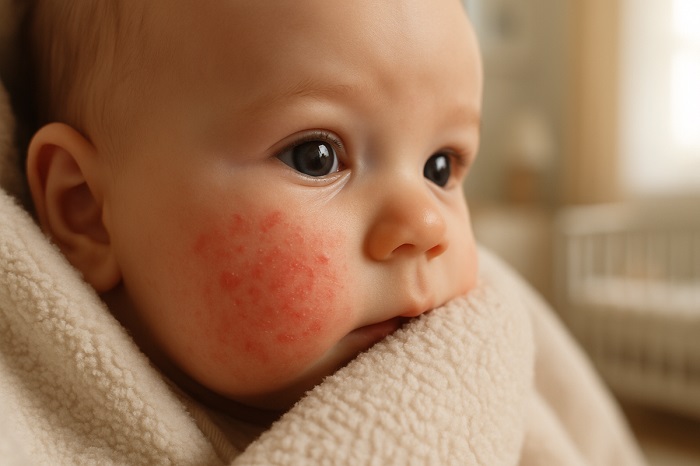
Allergies in babies are a growing concern for many parents, especially as symptoms can appear early and sometimes unexpectedly. Understanding what causes allergies in babies can help caregivers recognize risk factors, reduce exposure to triggers, and seek timely medical advice.
This article explains the common causes of allergies in infants, how they develop, and what parents can do to lower the risk.
Understanding How Allergies Develop in Babies
An allergy occurs when a baby’s immune system mistakenly identifies a harmless substance as a threat. In response, the immune system releases chemicals such as histamine, leading to allergy symptoms like rashes, digestive issues, or breathing problems.
Because an infant’s immune system is still developing, it may overreact to certain foods or environmental substances.
Common Causes of Allergies in Babies
1. Genetic Factors
Genetics play a major role in the development of allergies.
- Babies with one or both parents who have allergies, asthma, or eczema are more likely to develop allergies.
- A family history of allergic conditions increases sensitivity to allergens.
2. Food Allergens
Food is one of the most common causes of allergies in infants.
- Cow’s milk
- Eggs
- Peanuts
- Tree nuts
- Soy
- Wheat
- Fish and shellfish
Allergic reactions can occur through breast milk, formula, or when solid foods are introduced.
3. Immature Immune System
A baby’s immune system is still learning how to react appropriately. This immaturity can cause exaggerated immune responses to everyday substances that are usually harmless.
4. Environmental Allergens
Environmental exposure can also trigger allergies.
- Dust mites
- Pet dander
- Pollen
- Mold
Although environmental allergies are more common in older children, sensitive infants can show early symptoms.
5. Skin Barrier Issues
Babies with eczema or dry, sensitive skin are at higher risk of allergies. A weakened skin barrier allows allergens to enter the body more easily, increasing the likelihood of developing allergic reactions.
6. Early Exposure to Irritants
Exposure to strong irritants may increase allergic sensitivity.
- Cigarette smoke
- Harsh soaps or detergents
- Fragrances and chemicals
These irritants can inflame a baby’s airways or skin and contribute to allergy development.
Can Allergies in Babies Be Prevented?
While not all allergies can be prevented, certain measures may reduce risk:
- Exclusive breastfeeding when possible (as recommended by healthcare providers)
- Introducing allergenic foods at appropriate ages under medical guidance
- Using gentle, fragrance-free baby products
- Avoiding tobacco smoke exposure
- Maintaining a clean but not overly sterile home environment
Current research suggests that early, controlled exposure to certain allergens may help the immune system develop tolerance.
When Do Allergies Usually Appear in Babies?
- Food allergies: Often appear within the first year of life
- Eczema-related allergies: Can begin in early infancy
- Environmental allergies: Typically develop later, after age two
Symptoms may vary based on the type of allergen and individual sensitivity.
When to Consult a Pediatrician
Seek medical advice if your baby:
- Develops symptoms after feeding
- Has frequent skin rashes or eczema
- Experiences digestive discomfort or poor weight gain
- Shows signs of breathing difficulty
Early diagnosis helps manage allergies effectively and reduces the risk of complications.
Conclusion
Allergies in babies are caused by a combination of genetic factors, immune system development, food sensitivities, and environmental exposure. Understanding these causes allows parents to make informed decisions about prevention, early detection, and care.
If you suspect your baby has an allergy, a pediatrician can guide you through testing, management strategies, and safe feeding practices—ensuring your baby stays healthy and comfortable.
Hello!! My name is Jeanine
I love to eat, travel, and eat some more! I am married to the man of my dreams and have a beautiful little girl whose smiles can brighten anyone’s day!